

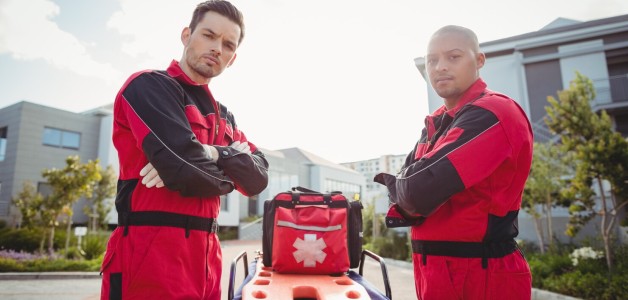

Major Emergency Management Training Course
Course Duration:
Certificate Validity
Training Schedule
Course Description
The Major Emergency Management Training Course gives participants both theoretical knowledge and hands-on experience to handle serious emergency situations. Over three days, trainees take on the role of Emergency Manager, Person-in-Charge, or Command Team Member in realistic emergency scenarios inside a specially designed Bridge/Control Room simulator. The program combines classroom theory sessions with practical emergency response exercises, helping participants build the confidence and skills needed to manage critical incidents effectively and ensure workplace safety.
Major Emergency Management Training Course
Who Should Attend
This course is designed for personnel from any background who want to gain a strong understanding of major emergency management at an operational level. It is especially useful for individuals working in high-risk industries, where quick and effective emergency response is critical.
Major Emergency Types and Management
- Different types of major emergencies
- Key safety regulations and emergency factors
- Responsibilities of the Emergency Manager for personnel onsite and nearby
- Evaluating risks, escalation potential, and available resources
Emergency Manager Roles and Responsibilities
- Difference between normal management and emergency management
- Key decision-making factors during a crisis
- EMT and ERT responsibilities
- Delegation, time management, and communication strategies
Dealing with Stress in Emergencies
- Identifying sources of stress and their impact on decision-making
- Managing information overload and time pressure
- Effective delegation to reduce stress on individuals and teams
- Regrouping and reassessing under pressure
Training Methods
- Interactive Lectures
- PowerPoint Presentations
- Group Discussions
- Question and Answer Sessions
- Practical Demonstrations
Course Objectives
- Understand the key steps in preparing for, responding to, and controlling emergencies during escalation.
- Manage communications, follow emergency plans, and coordinate actions from the moment an alarm is raised until the situation is under control.
- Recognize how stress affects decision-making and team performance during emergencies.
- Take on the role of an Emergency Manager in at least two realistic emergency scenarios, receiving expert feedback to improve performance.
Emergency Command Centre (ECC)
- ECC setup and ergonomics
- Essential equipment for emergency operations
- Information Management Systems (IMS) — digital and paper-based backup methods
- Benefits of proper information flow during emergencies
Pre-Planning and Readiness
- Importance of maintaining a state of readiness
- Role of Emergency Response Plans (ERP) and company procedures
- Value of risk assessments, drills, and training for EMT and ERT
- Ensuring emergency equipment is functional and personnel are trained
Equipment Used
- Computer / Laptop
- DVDs / Audio-Visual Aids
Oil & Gas Training
Construction Safety
Industrial Workforce
Marine & Offshore
Energy & Utilities
Manufacturing Skills
Professional Training
Skilled Workforce
Industry Expertise
Safety Excellence
Operational Performance
Trusted Solutions
Workforce Solutions
Training
Consultancy
Let’s Grow Your Workforce Together
Partner with us to enhance workforce skills, improve safety, and achieve better operational performance
